
Losing your passport is one of those travel problems that can make your stomach drop instantly. Whether you notice it is missing while packing for a flight, arriving at the airport, or already traveling overseas, it is easy to jump straight to the worst-case scenario. However, while a lost passport is inconvenient, it does not have to completely derail your plans.
The key is to stay calm, work through the problem methodically, and focus on what you can do next.
Before assuming your passport is truly lost, give yourself a few minutes to retrace your steps carefully. Check every pocket, bag compartment, hotel safe, drawer, jacket, and piece of luggage, even if you are convinced you have already looked there.
Think about the last time you physically handled your passport. You may have used it while checking into a hotel, hiring a car, going through airport security, or completing travel paperwork. Contact any relevant businesses or transportation providers to see whether it has been handed in.
Taking a systematic approach is far more effective than searching the same places repeatedly in a panic.
If you cannot find your passport, the next step is to report it lost or stolen through the appropriate official channels. This helps protect you from the document being misused and allows you to begin the replacement process.
If theft may have been involved, you may also need to contact local police, particularly if you are overseas. Keep copies of any reports or reference numbers you receive, as they could be useful later.
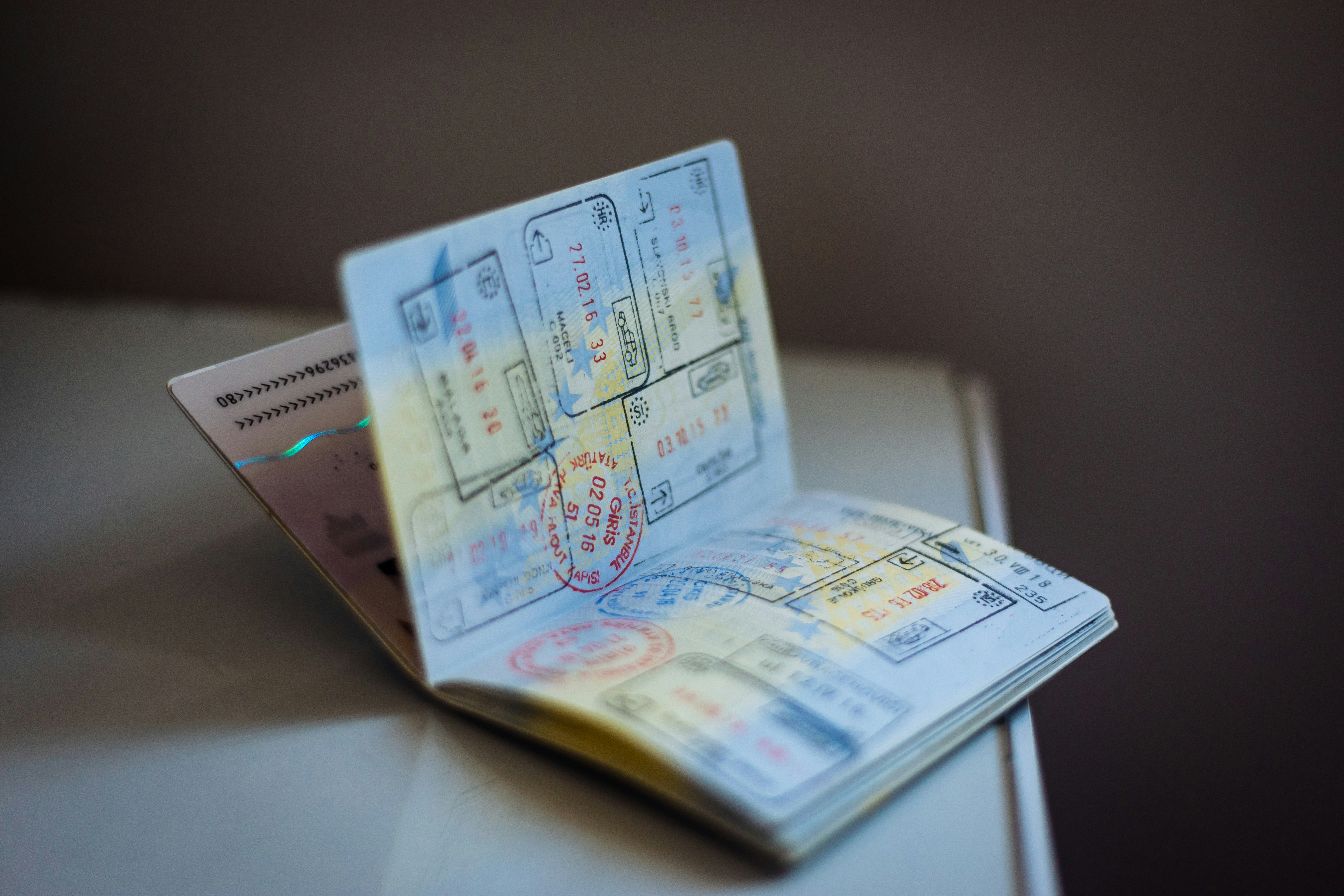
Once you know the passport is gone, shift your attention toward solving the problem rather than dwelling on how it happened.
If you have upcoming travel plans, speed may be especially important. Depending on your circumstances, you may be able to use an expedited service to replace your lost passport, helping you understand what documents are required and what options may be available when time is limited.
Gather anything that could make the process easier, including photo identification, proof of citizenship, passport photographs, travel confirmations, and copies or photos of your missing passport if you have them.
If your flight or other travel arrangements are approaching, contact the airline, hotel, tour operator, or travel company as soon as possible. Explain the situation and ask about your options.
You may be able to change dates, move a booking, or avoid unnecessary cancellation fees. The earlier you make contact, the more flexibility you are likely to have.
It is completely understandable to feel stressed when something as important as a passport disappears, especially when money and travel plans are involved. However, panic rarely makes the process any easier.
Break the situation into manageable steps: search thoroughly, report the passport missing, arrange a replacement, and update your travel plans where necessary. Once you have a clear plan in place, the situation usually feels much more manageable.
Losing your passport is frustrating, but it is a problem that can be solved. Staying organized and acting quickly will put you in the best position to get your travel plans back on track.


